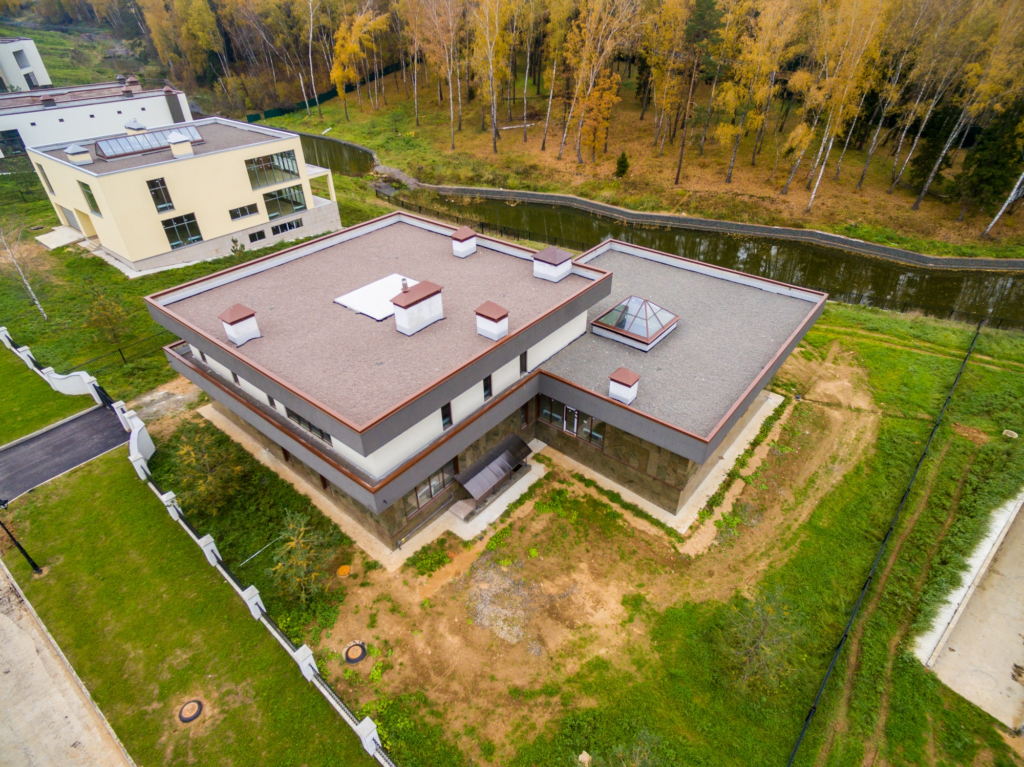
Southern California homeowners often explore modern roofing styles that complement contemporary architecture while providing reliable protection against regional weather conditions. Flat roofs have become increasingly popular due to their clean appearance, space efficiency, and compatibility with energy saving features. Many property owners researching residential flat roof repair solutions also evaluate whether flat roofing systems suit the climate and long term property goals in Southern California.
Residential flat roofs offer several advantages, including accessibility, streamlined design, and flexibility for installing solar panels or outdoor features. However, they also require proper planning, waterproofing, and drainage management to perform effectively in coastal and inland Southern California environments. Understanding the benefits, potential challenges, and associated costs helps homeowners make informed roofing decisions.
Why Homeowners Search for Residential Flat Roof Contractors Near Me in Southern California
Southern California housing trends continue to evolve with increasing interest in contemporary home designs. Flat roofing systems support architectural flexibility and efficient space usage, making them appealing for both new construction and remodeling projects. Homeowners frequently rely on experienced providers such as Smart Roofing & Restoration to evaluate property conditions and recommend roofing solutions tailored to regional climate demands.
Growing Demand for Modern Home Roof Design in SoCal
Modern home roof design emphasizes minimalism, functionality, and sustainability. Flat roofs complement this style by providing smooth, uncluttered rooflines that align with contemporary building trends. These roofing systems allow homeowners to incorporate rooftop patios, solar energy installations, and HVAC equipment placement without significantly altering property aesthetics.
Flat roofing also supports urban housing development where maximizing usable space is essential. Designers often choose flat roofs to support future expansions and technology integration, which contributes to their growing popularity in Southern California residential construction.
Climate Factors That Influence Flat Roof Performance
Southern California experiences strong sunlight, fluctuating temperatures, and occasional seasonal rainstorms. These climate conditions directly impact roofing materials and structural performance. Flat roofs must be designed with durable waterproof membranes and reflective coatings to reduce heat absorption and prevent moisture penetration.
Wind exposure in coastal regions also requires reinforced installation techniques to maintain roofing stability. Contractors must evaluate local environmental factors to ensure flat roofing systems provide long term protection and durability.
Understanding Flat Roof Lifespan in Southern California Weather Conditions
Flat roof lifespan varies depending on material selection, installation quality, and maintenance practices. Southern California weather creates specific challenges due to consistent sun exposure and thermal expansion caused by temperature fluctuations.
How Sun Exposure and Heat Impact Flat Roof Lifespan
Extended ultraviolet exposure can gradually degrade roofing membranes if protective coatings are not applied. High surface temperatures can cause expansion and contraction cycles that weaken roofing seams over time. Reflective coatings and advanced waterproofing systems help reduce heat retention, improving roof durability and energy efficiency.
Property owners who install heat resistant roofing materials often benefit from improved indoor temperature regulation and reduced cooling demands. These improvements contribute to overall roofing system longevity.
Maintenance Factors That Extend Flat Roof Lifespan
Regular maintenance significantly influences flat roof performance and lifespan. Scheduled inspections help identify early signs of wear, seam separation, or membrane deterioration. Preventive maintenance practices commonly include:
- Clearing debris and standing water from roof surfaces
- Inspecting flashing and edge seals for structural integrity
- Reapplying protective coatings when necessary
- Addressing minor damage before it expands into major repairs
Consistent maintenance allows homeowners to maximize roofing performance while reducing long term repair costs.
Waterproofing Systems and Coatings That Improve Residential Flat Roof Performance
Waterproofing is essential for flat roof reliability because these systems lack the natural drainage slope of traditional pitched roofs. Proper waterproofing prevents leaks, moisture infiltration, and structural deterioration.
Popular Waterproofing Systems Used by Residential Flat Roof Contractors Near Me
Professional contractors utilize advanced waterproofing systems designed for durability and weather resistance. Common options include single ply membranes, modified bitumen roofing, and built up roofing systems. Each material offers unique benefits related to flexibility, strength, and climate resistance.
Modern waterproofing membranes provide seamless protection and strong resistance to temperature fluctuations. Contractors often select materials based on property structure, environmental exposure, and homeowner preferences.
Protective Coatings That Enhance Durability and Energy Efficiency
Protective roof coatings serve multiple purposes by extending waterproofing performance while improving energy efficiency. Reflective coatings reduce solar heat absorption, lowering indoor cooling demands during warm seasons.
Elastomeric coatings provide flexibility that helps roofing systems accommodate thermal expansion. Silicone and acrylic coatings also enhance water resistance and surface protection. Proper coating application can significantly extend flat roof lifespan and improve overall structural performance.
Common Drainage Issues in Residential Flat Roof Design
Effective drainage is critical for flat roofing systems because water accumulation can lead to structural stress and moisture damage. Proper design and installation help prevent these complications.
Why Drainage Issues Occur in Modern Home Roof Design
Flat roofs are designed with subtle slopes to direct water toward drainage outlets. Poor installation or structural settling may reduce slope effectiveness, allowing water to pool on roof surfaces. Debris accumulation in drains can also block water flow and increase pressure on waterproof membranes.
Temperature changes may contribute to material movement that disrupts drainage alignment. Addressing these factors requires careful planning and routine inspections.
How Residential Flat Roof Contractors Near Me Prevent Drainage Issues
Experienced contractors use advanced design strategies to support efficient water removal. Preventive solutions often include:
- Installing tapered insulation systems to improve drainage slope
- Incorporating multiple drainage outlets to reduce water accumulation
- Using high quality flashing to protect vulnerable roof transitions
- Conducting routine inspections to identify potential blockages
Homeowners working with a trusted residential roof company benefit from professional drainage planning and long term performance monitoring.
Cost Factors Homeowners Should Know Before Hiring Residential Flat Roof Contractors Near Me
Flat roofing costs vary based on materials, installation complexity, and structural modifications. Understanding cost components helps homeowners plan budgets effectively.
Material and Installation Costs for Waterproofing Systems and Coatings
Waterproofing membranes and protective coatings represent significant portions of flat roof installation expenses. Premium materials often provide enhanced durability and energy efficiency, which can offset initial investment costs over time.
Installation complexity also influences overall project pricing. Roof accessibility, structural reinforcement requirements, and ventilation modifications contribute to total installation costs. Professional contractors evaluate these factors to provide accurate project estimates.
Long Term Value Compared to Other Modern Home Roof Design Options
Flat roofs may offer long term value through energy efficiency, reduced maintenance accessibility costs, and expanded usable rooftop space. These systems often support solar panel installation, which can contribute to energy savings.
Homeowners evaluating roofing investments should consider lifecycle costs rather than focusing solely on initial installation expenses. Flat roofing systems that include high quality waterproofing and protective coatings often deliver consistent performance and durability in Southern California climates.
Conclusion
Residential flat roofs continue to gain popularity across Southern California due to their modern appearance, space efficiency, and compatibility with sustainable home design. These roofing systems perform effectively when supported by professional installation, durable waterproofing, and proactive maintenance strategies. Climate conditions such as sun exposure, temperature variation, and seasonal rainfall make proper planning essential for long term roofing reliability.
Homeowners considering flat roofing upgrades benefit from working with experienced contractors who understand regional environmental challenges and structural requirements. Professional evaluation ensures appropriate material selection, drainage design, and energy efficiency planning for lasting roof performance. Property owners interested in exploring flat roofing options can visit the Contact Us page to discuss customized residential roofing solutions with qualified specialists.
FAQs
Are flat roofs suitable for Southern California weather conditions?
Flat roofs perform well when installed with durable waterproof membranes and reflective coatings designed to withstand strong sunlight and seasonal rain patterns.
How long does a residential flat roof typically last?
Flat roof lifespan depends on material quality, installation standards, and maintenance practices. Regular inspections and protective coating reapplication can significantly extend durability.
Do flat roofs require more maintenance than traditional roofs?
Flat roofs require consistent inspections and debris removal to maintain proper drainage and waterproofing performance. Routine maintenance helps prevent costly repairs.
Are flat roofs energy efficient for residential properties?
Flat roofs often support reflective coatings and solar panel installations, which can improve indoor temperature control and reduce cooling energy consumption.
What factors influence the cost of installing a residential flat roof?
Material selection, waterproofing systems, structural modifications, and installation complexity all influence overall roofing project costs.