Coastal homes in California face unique roofing challenges. Between salty air, strong winds, and constant sun exposure, choosing the right roofing material is critical for long-term performance. If you are looking for expert guidance, get smart construction can help homeowners make informed decisions for lasting protection.
Understanding the Coastal California Climate
Challenges: salt spray, sun exposure, wind uplift, storm frequency
Coastal weather is tough on roofs. Salt spray settles on shingles and tiles, breaking down surfaces faster than in inland areas. Strong sun exposure also weakens materials, causing cracking or fading. Wind uplift can rip off shingles, while storms bring moisture that leads to leaks and mold.
Real-world impacts on material wear and damage
These conditions shorten the life of common roofing materials. Asphalt shingles may curl, while tiles can crack when battered by storms. Slate, although highly durable, still needs professional installation to avoid damage from salty air. Every material reacts differently, which is why it’s important to weigh the options carefully.
Material Lifespans: Asphalt, Tile, and Slate
Asphalt Shingles — Typical lifespan (20–30 years for architectural shingles)
Asphalt shingles are affordable and common in coastal homes. Architectural shingles usually last 20–30 years with proper care. However, in high-salt environments, their lifespan may shorten without regular maintenance.
Clay & Concrete Tile — Durability (50+ years, heavy and brittle)
Clay and concrete tile roofs are durable, often lasting 50 years or more. They stand up well to fire and sun exposure. But they are heavy, which means your roof structure must be strong enough to support them.
Slate Roofing — Extreme longevity (75–150 years or more)
Slate is considered one of the most durable roofing materials, lasting up to 150 years. It provides unmatched beauty and performance. However, it is heavy, costly, and requires experienced installers to ensure long-term reliability.
Coastal Performance Comparison
Asphalt — Pros & cons
Asphalt is affordable and available in impact-resistant classes, making it a practical choice. On the downside, it has a shorter lifespan and is more vulnerable to wind and salt damage.
Tile — Pros & cons
Tile roofing is classic, fire-resistant, and long-lasting. But tiles are heavy and brittle, requiring strong structures and expert handling.
Slate — Pros & cons
Slate offers timeless beauty and exceptional durability. Yet, it is among the most expensive roofing options. Heavy weight and limited installer availability also make it challenging for some homeowners.
Energy Efficiency & Coastal Suitability
Metal & reflective options — Reflectivity, energy savings, lifespan (40–70 years)
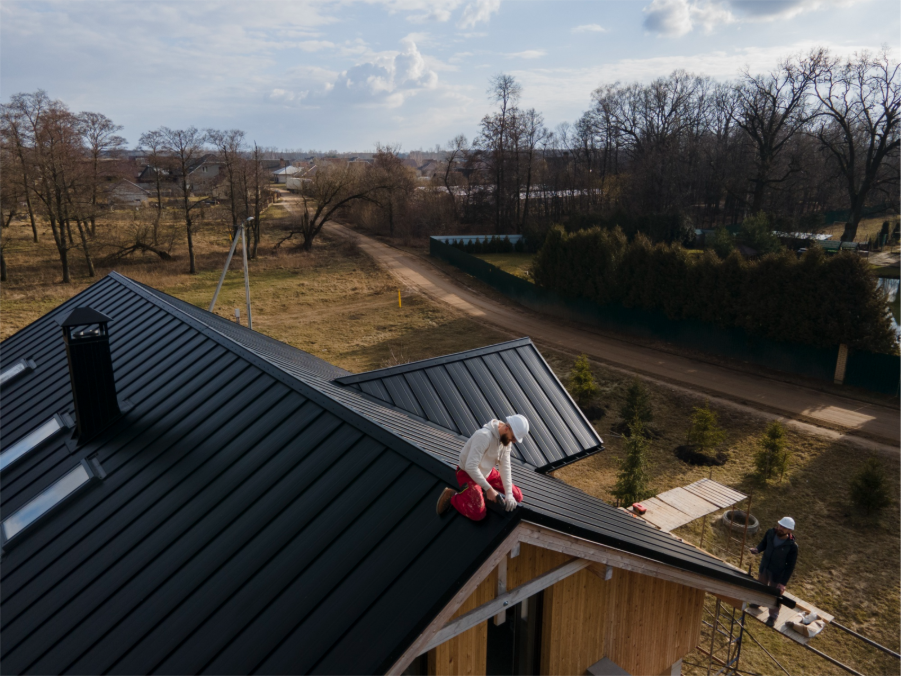
Metal roofing, especially with reflective coatings, is an excellent choice for coastal homes. It reflects sunlight, lowers cooling costs, and can last 40–70 years.
Cool roof benefits — Solar reflectance, reduced heat load
Cool roof technology reduces solar absorption and keeps homes cooler. This is particularly valuable in coastal California, where energy bills can soar during hot summers.
Warranties for Coastal Roofs
Manufacturer warranties by material type
Manufacturers offer different warranties depending on the material. Class 4 asphalt shingles may have extended coverage, while tile and slate come with long-life guarantees.
Get Smart’s installer workmanship warranty and certified partner protections
In addition to manufacturer warranties, homeowners also benefit from Get Smart Construction. Their certified workmanship warranty ensures roofs are installed to the highest standards.
Choosing the Right Option with Get Smart Construction
Personalized consultation process for coastal homes
Every home is different. Get Smart offers one-on-one consultations to match homeowners with the best roofing material for their coastal environment.
Structural assessments to support heavy materials (tile, slate)
If a homeowner prefers heavy tile or slate, Get Smart performs structural assessments to ensure the home can handle the load.
Energy-efficient material upgrades and reflective coatings
Energy efficiency is a priority. The team offers reflective options and coatings to reduce heat absorption and extend material life.
Financing & maintenance plans suited for coastal climates
Budget-friendly financing and maintenance packages are available. With residential roof contractor, homeowners can plan for quality roofs and long-term protection.
Maintenance Tips to Extend Roof Life
Annual or post-storm inspections
Routine inspections once a year—or after major storms—help spot early signs of damage.
Salt and debris cleaning, moss removal, and surface care
Cleaning salt buildup, removing moss, and keeping surfaces clear of debris adds years to a roof’s life.
Prompt repairs and proactive Get Smart maintenance scheduling
Quick repairs prevent small issues from becoming major problems. Regular service from commercial roof contractor teams ensures coastal roofs stay strong.
Summary Table: Quick Glance Comparison
| Material | Lifespan | Cost Range | Energy Efficiency | Structural Needs | Pros | Cons |
| Asphalt Shingles | 20–30 years | Low | Moderate with upgrades | Low | Affordable, easy install | Shorter lifespan, wind damage |
| Tile (Clay/Concrete) | 50+ years | Moderate–High | Moderate | High | Fire-resistant, classic look | Heavy, brittle |
| Slate | 75–150 years | High | Good | Very High | Premium look, long-lasting | Costly, limited installers |
| Metal (Reflective) | 40–70 years | Moderate–High | Excellent | Moderate | Energy-efficient, durable | Can dent, noise factor |
Next Steps—How to Proceed
The next step is scheduling a free inspection with get smart construction. Homeowners can view material samples, discuss warranty coverage, and explore long-term value plans. For detailed comparisons, check out related blogs on “Asphalt vs Tile vs Slate,” “Energy Efficiency for Coastal Homes,” and “Roofing Warranties That Matter.”
Conclusion
Choosing the right roofing material for coastal homes is about balancing lifespan, cost, energy efficiency, and structural needs. Asphalt shingles provide affordability, tile delivers long-term durability, slate offers unmatched longevity, and metal brings energy savings. With the expert guidance of Get Smart Construction, homeowners can feel confident about protecting their coastal homes for decades to come. For personalized support, reach out through the contact page today.
FAQs
1. Which roofing material is most affordable for coastal homes?
Asphalt shingles are the most affordable option, though they require more frequent replacement compared to tile or slate.
2. What is the best roofing option for energy savings?
Metal roofing with reflective coatings and cool roof technology helps reduce cooling costs in coastal California.
3. Can heavy roofing materials like slate and tile be installed on all homes?
Not always. A structural assessment is needed to ensure the home can support the additional weight.
4. How often should I inspect my coastal roof?
At least once a year, plus after major storms, to check for salt damage, wind uplift, and leaks.
5. Does Get Smart Construction offer financing for roof installations?
Yes. Flexible financing and maintenance plans are available to help homeowners manage costs while securing long-lasting protection.